
Industries
These are the industries we serve most often — but the list isn't the limit. If you think you might have an application, reach out and we'll give you an honest answer, or better yet, a free demo on your part.
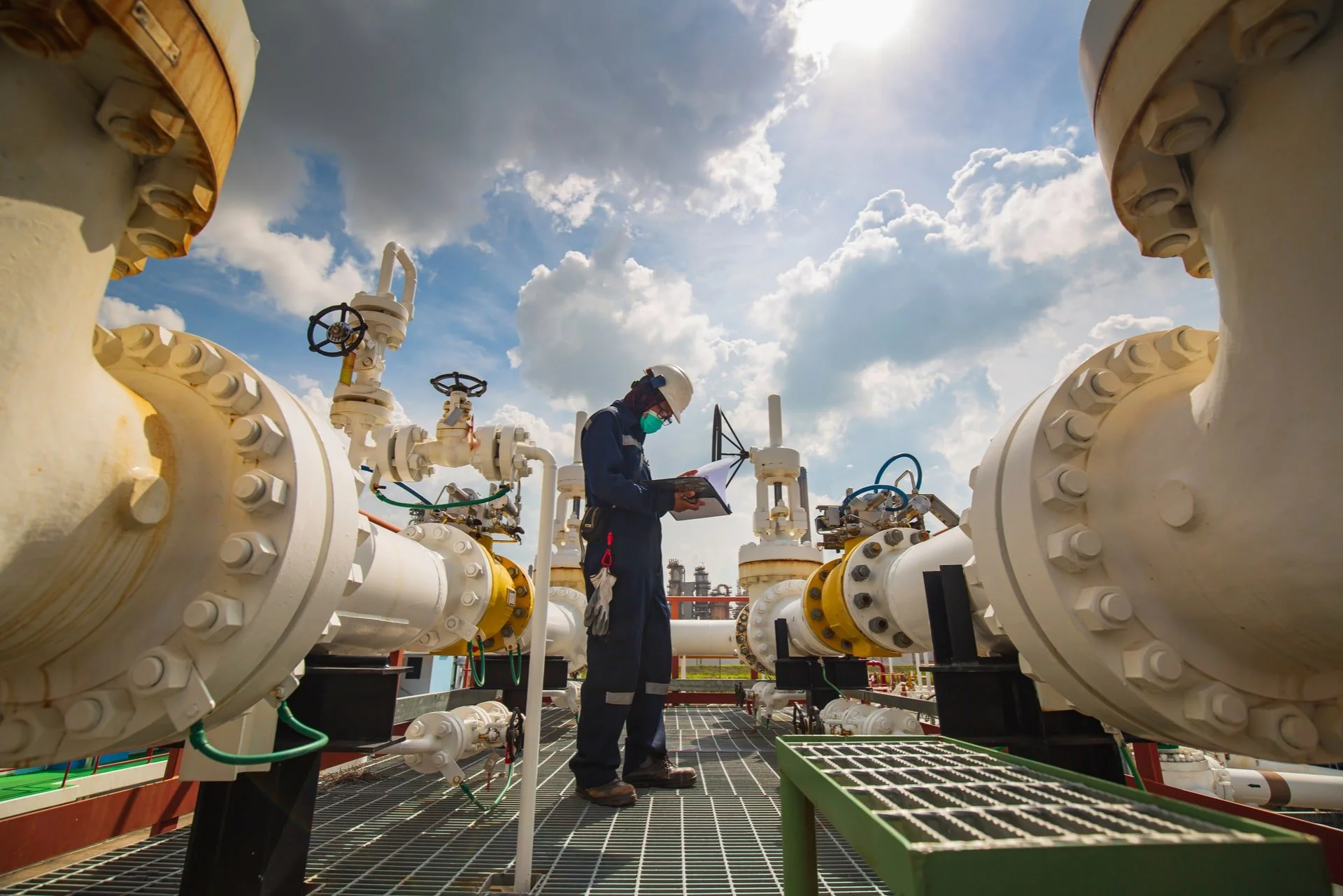
Oil & Gas Facilities
Oil and gas sites are exactly where traditional cleaning methods hurt the most: blasting means containment planning, media recovery, and drums of contaminated waste, while chemical methods bring their own handling and disposal problems. Laser cleaning removes rust and coatings with zero abrasive media — nothing to capture, contain, or chase around the site — and the removed material goes straight into fume extraction at the point of cleaning.
That makes it a practical fit for maintenance cleaning on facility equipment, selective coating removal ahead of inspection or repair, weld prep during modifications, and refurbishing components returning to service. Because the equipment is portable, work can happen at your facility, in the shop, or during a turnaround window — with a fraction of the waste stream and cleanup of a blasting job.
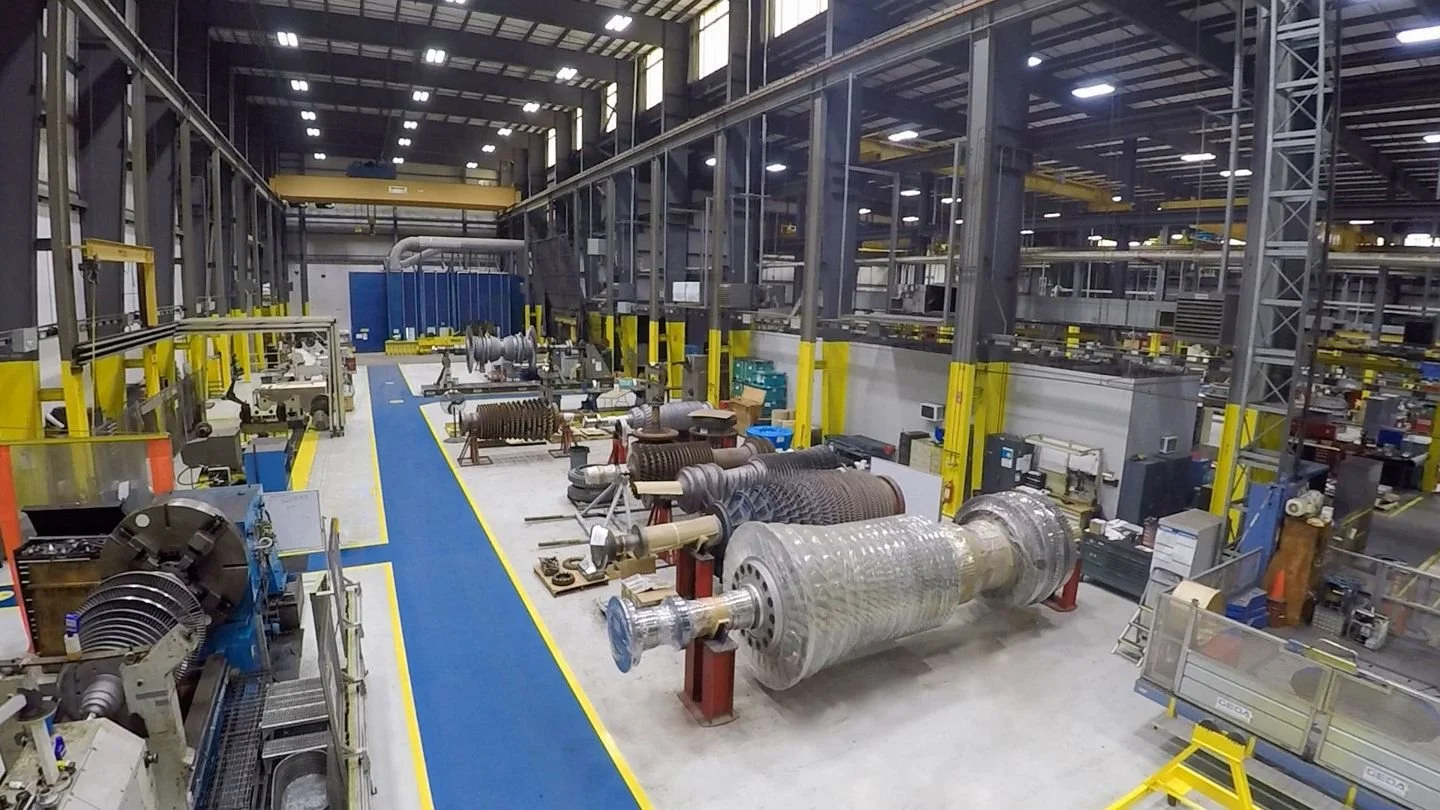
Rotating Equipment & Turbine MRO
Overhaul work lives and dies on surface condition, and the parts involved are exactly the ones blasting puts at risk: tight-tolerance components, machined faces, sealing surfaces. Laser cleaning removes corrosion, coatings, and carbon deposits with no abrasive media to embed in the part, no masking damage, and no material removed beyond the contamination layer — the part comes out dimensionally untouched.
During teardown and inspection, that means components move to NDT faster with nothing on the surface to mask or mimic an indication. During reassembly prep, it means clean, consistent surfaces on every part, from the first to the hundredth. For shops handling turbines, compressors, pumps, and valves, laser cleaning slots into the overhaul flow as a cleaner, more controlled alternative to bead blasting and chemical soaking.
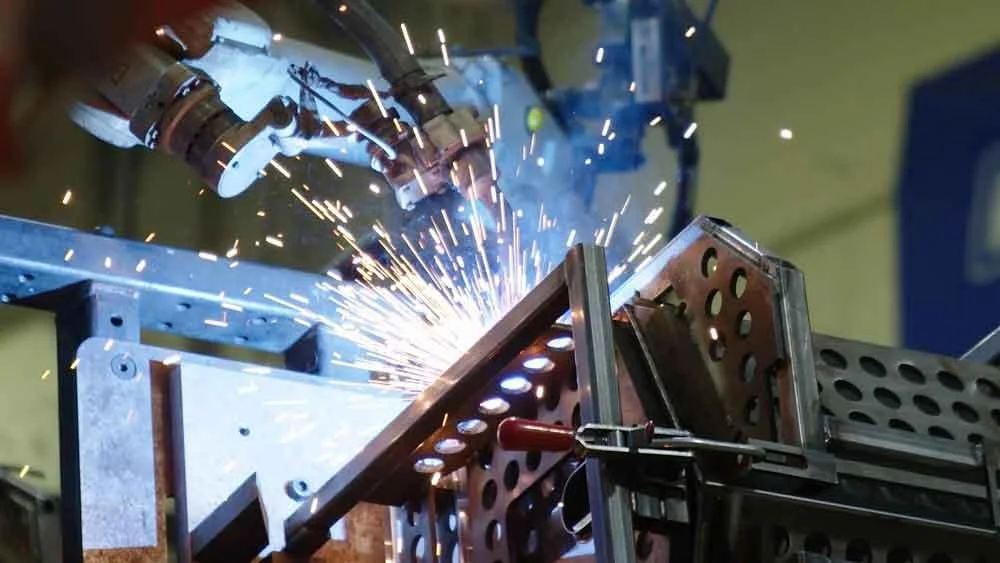
Fabrication & Manufacturing
Fab shops fight surface condition twice on every job: prepping metal before the weld, and cleaning up after it. Laser cleaning handles both — mill scale, rust, and oil come off the joint zone in one pass with no grinding and no abrasive residue left in the joint, and after welding, oxide and discoloration come off the finished weld without pickling paste or hours of hand finishing.
The payoff at production volume is consistency: every joint prepped to the same standard, every cleanup identical, whether it's a one-off repair or a full run. Add pre-coating surface prep and paint-line rack cleaning, and laser cleaning becomes a shop capability rather than a one-time fix — one that also removes grinding dust, blast media, and chemical handling from your floor.
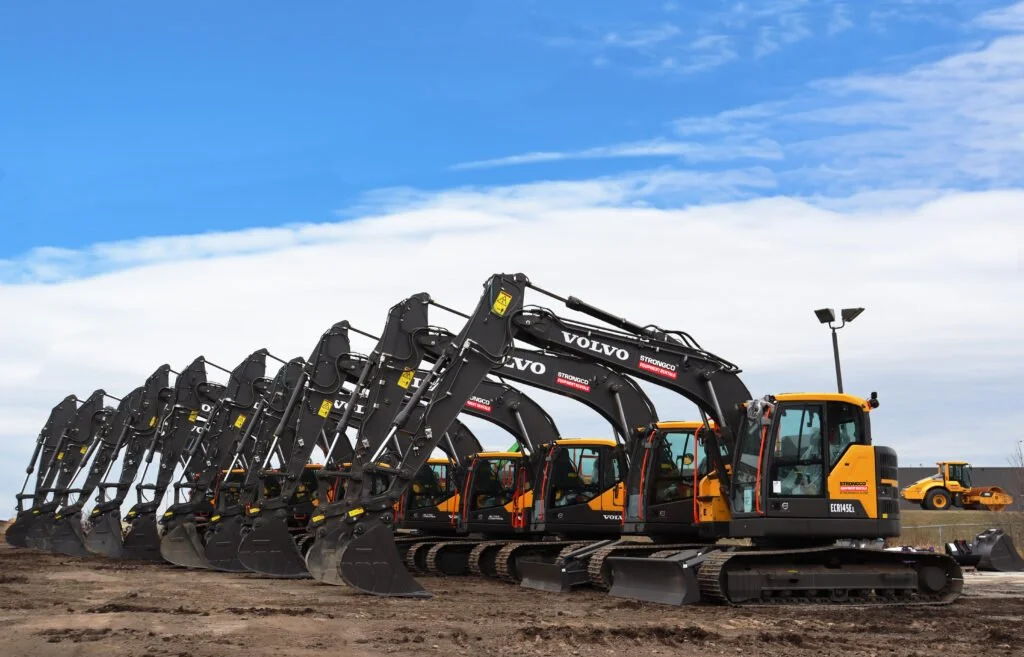
Heavy Equipment & Fleet
Rebuilds and refurbs mean rust — frames, components, attachments, and parts that have spent years outside. Blasting them clean works, but it's indiscriminate: media embeds in machined surfaces, thin sections can distort, and the shop deals with grit everywhere afterward. Laser cleaning strips rust and failed coatings layer by layer, stopping at sound metal, so components come clean without collateral damage and without the cleanup.
For dealers, rebuild centers, and fleet shops, typical work includes frame and component cleaning during rebuilds, prep ahead of refinishing, and restoring parts that would otherwise be replaced. The equipment travels, so cleaning can happen in your shop, in your yard, or alongside your existing refurb line.
Aviation & Aerospace Support
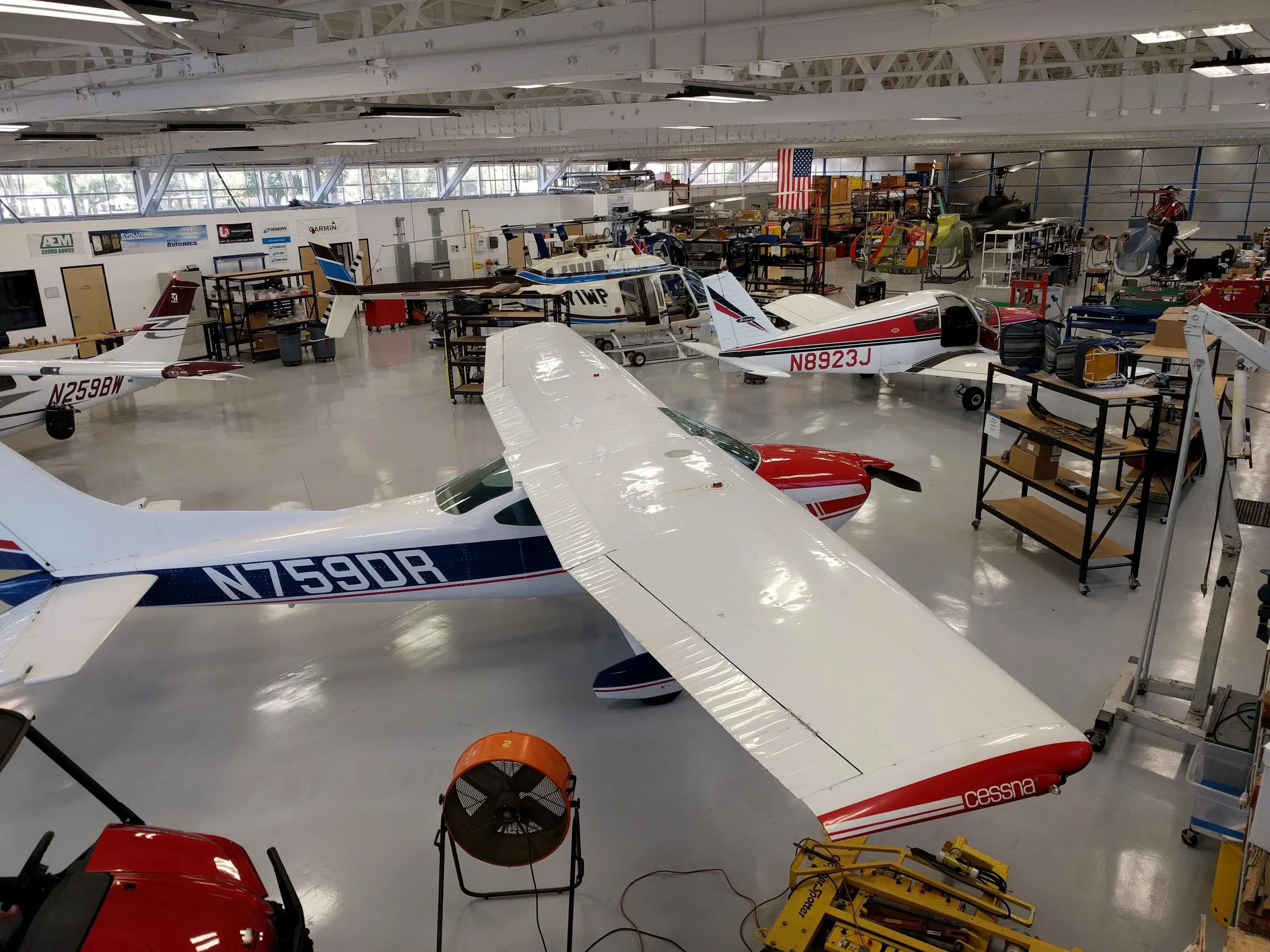
Aviation work demands processes that are controlled, repeatable, and documented — and it's an industry where abrasives are often simply too aggressive for the hardware. Laser cleaning removes corrosion, coatings, and residue with precisely controlled energy and no mechanical contact, which is why it's an established technology in aerospace maintenance worldwide.
We work within the industry's regulatory reality: the natural starting points are tooling, ground support equipment, jigs, fixtures, and non-critical hardware — places where the benefit shows up immediately without touching airworthiness paperwork. From there, the conversation about component work can follow as approvals allow. If you support aircraft in any capacity, a demo on your tooling is the fastest way to see the fit.
Utilities & Power Generation
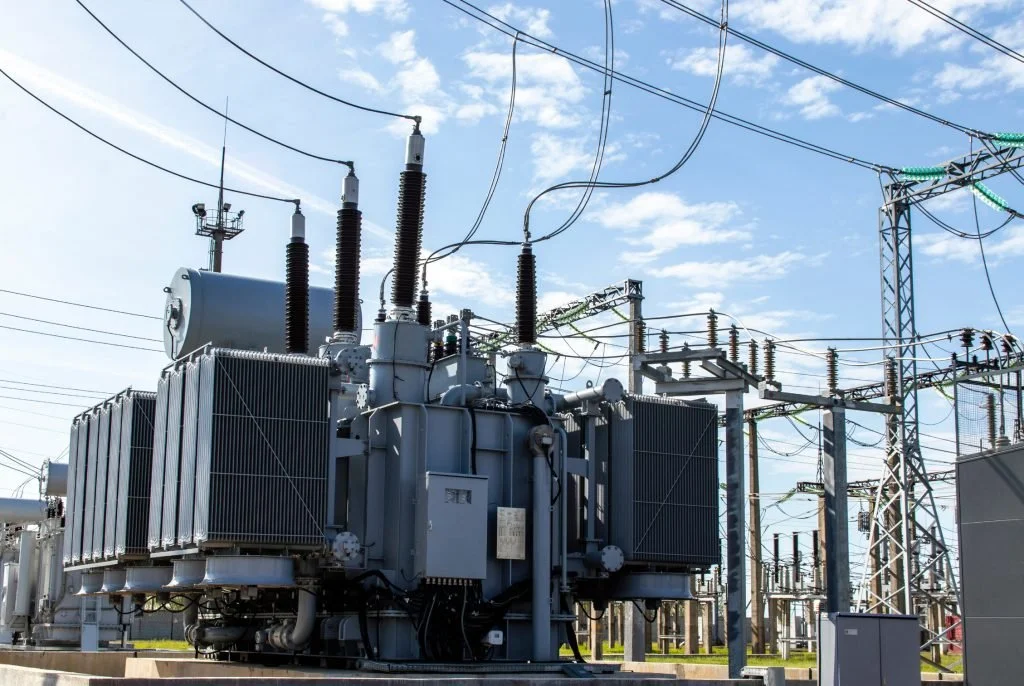
Outages and turnarounds run on tight windows, and cleaning is often on the critical path. Laser cleaning compresses that work: no containment build-out, no blast media to recover from around sensitive equipment, no chemical residue near electrical systems, and almost no secondary waste — the removed material is captured through fume extraction as it comes off.
For generation plants and utility infrastructure, that suits maintenance cleaning during scheduled outages, corrosion and coating removal on plant equipment and structures, and surface prep ahead of inspection or recoat. Because the process is dry and precise, it can work close to in-service equipment where blasting would never be allowed. If you're planning an outage, the best time to evaluate laser cleaning is a demo in the months before the window opens.
Restoration & Insurance
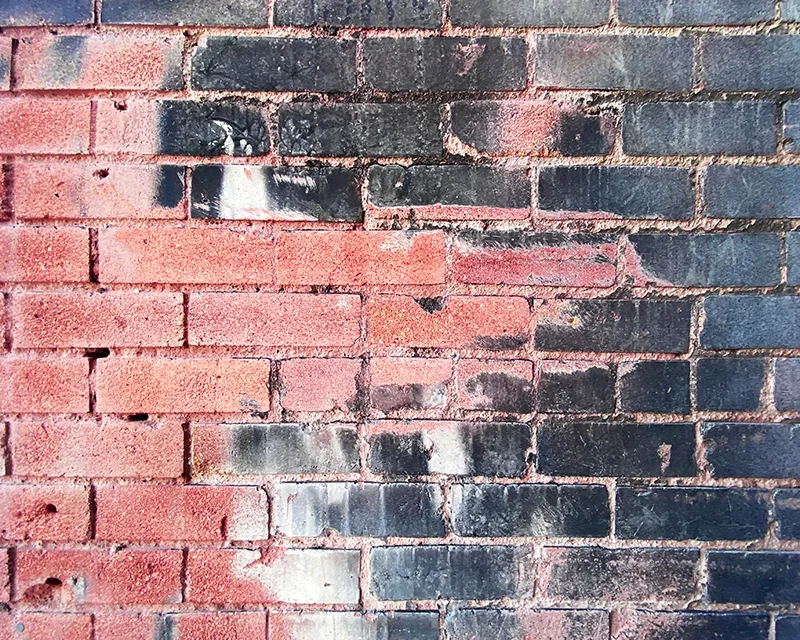
After a fire, the restore-or-replace decision comes down to what's under the soot — and getting to clean metal without causing further damage is the whole challenge. Laser cleaning removes soot, char, and corrosion from structural steel, machinery, and equipment completely dry: no water driving contamination deeper, no chemicals reacting with damaged materials, no blast media filling a compromised building.
We work two ways: directly for owners assessing damaged equipment, and as a subcontractor to restoration contractors on commercial and industrial losses. For restoration companies, laser cleaning is a billable specialty capability that saves equipment other methods write off — and saved equipment is the strongest line in any claim file. If you handle large losses, this is a tool your estimators should see before they need it.
Automotive Performance & Restoration
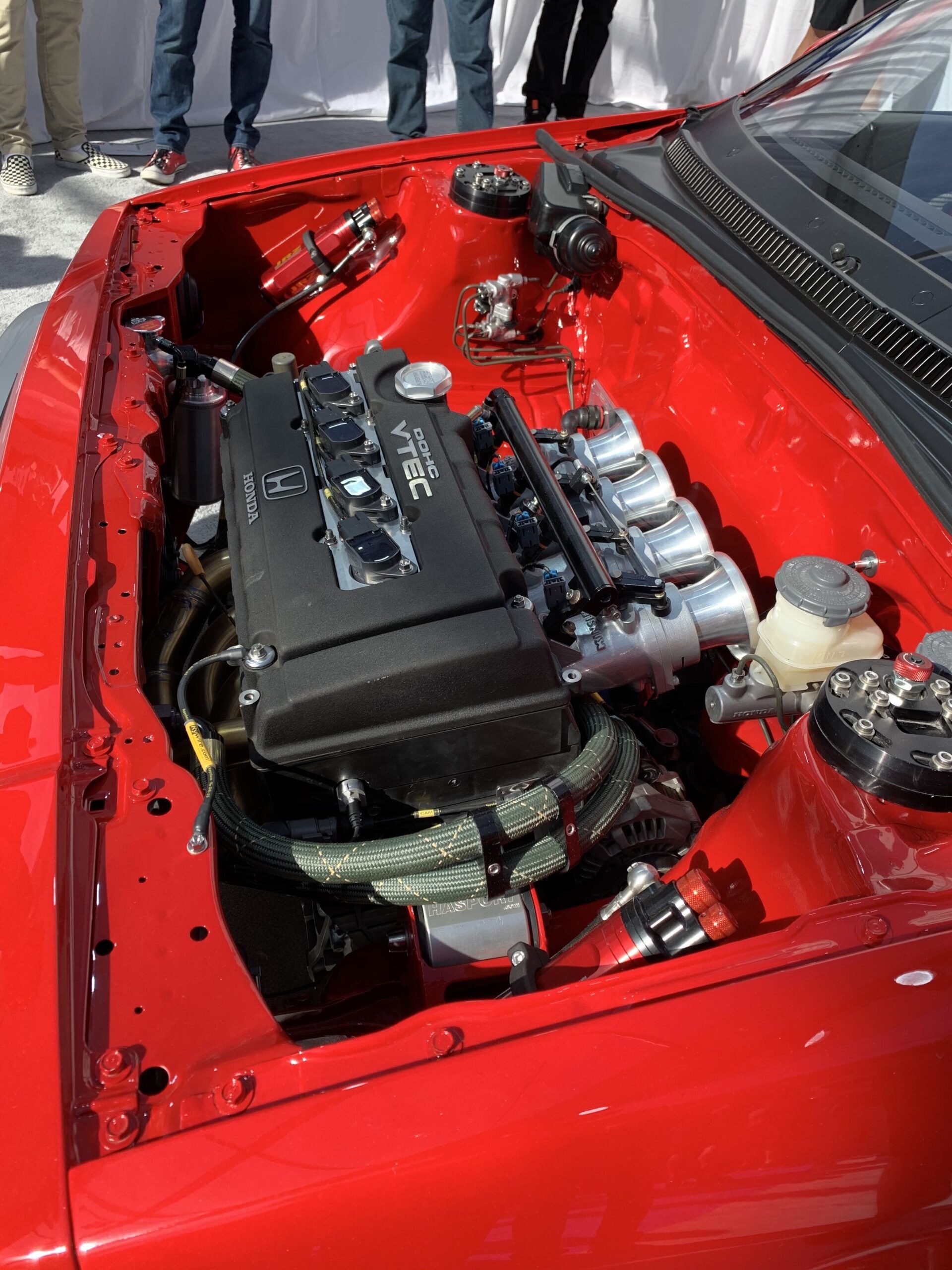
Engine builds and restorations are full of parts where the cleaning method matters as much as the cleaning itself. Bead blasting a cylinder head means chasing media out of oil galleries and threads for hours — and one missed bead can cost an engine. Chemical dipping is slow and increasingly hard to source. Laser cleaning removes carbon, oil residue, gasket material, rust, and old coatings with no media to trap in passages, no chemical soak, and no mechanical contact — machined faces, threads, and tolerances come out exactly as they went in.
The same precision pays off on bodywork and chassis: laser cleaning strips rust and paint from sheet metal without the warping risk that blasting brings to thin panels, and it reveals the true condition of the metal underneath — exactly what you want to see before deciding what's worth saving on a restoration. Typical work includes engine components during builds and rebuilds, chassis and suspension parts, stripping powder coat from wheels and brackets, and panel-by-panel rust removal on project vehicles. If you run a performance shop or restoration business — or you've got a project in the garage that deserves better than a wire wheel — bring us a part and watch it come clean.